Trust the Mouth
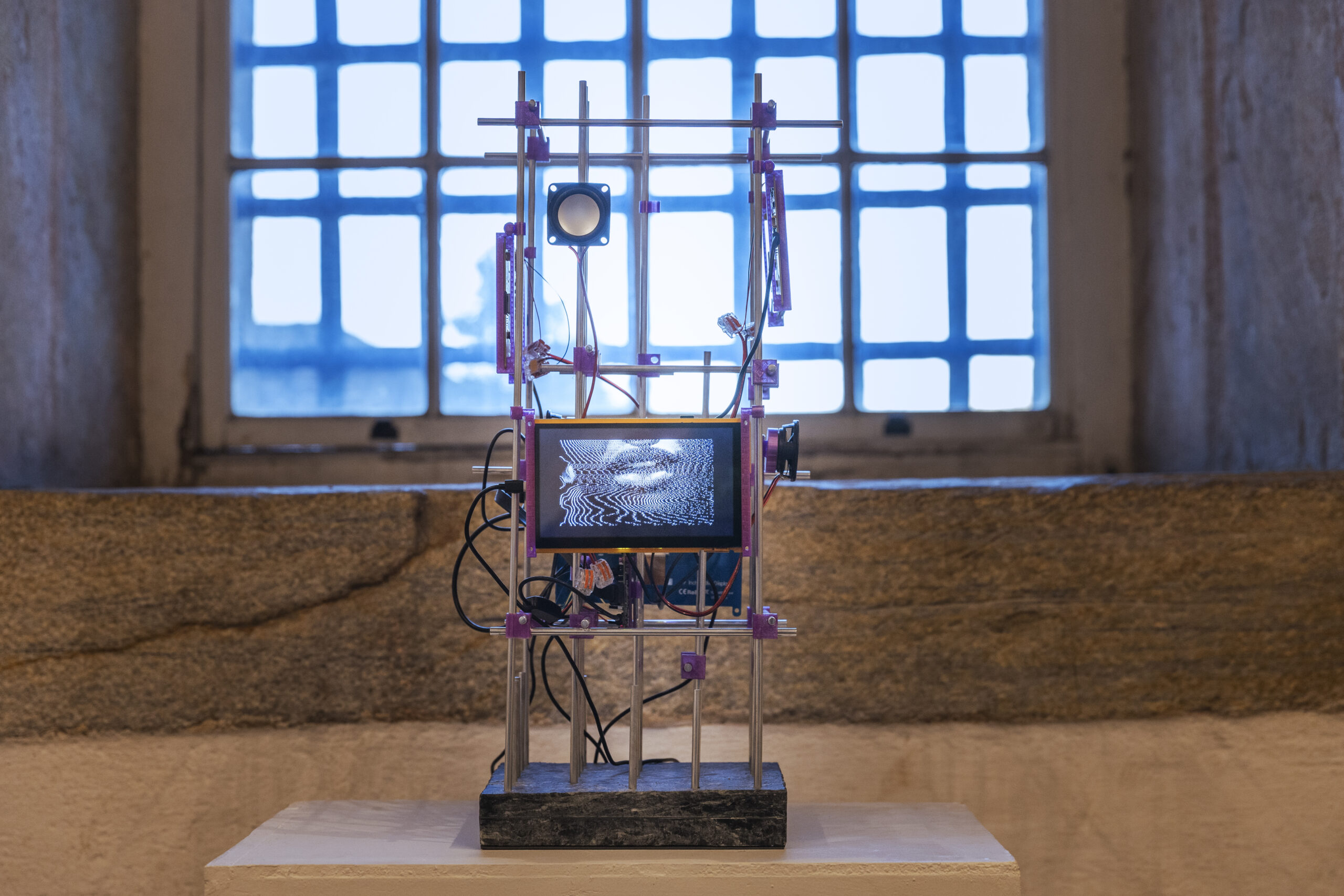
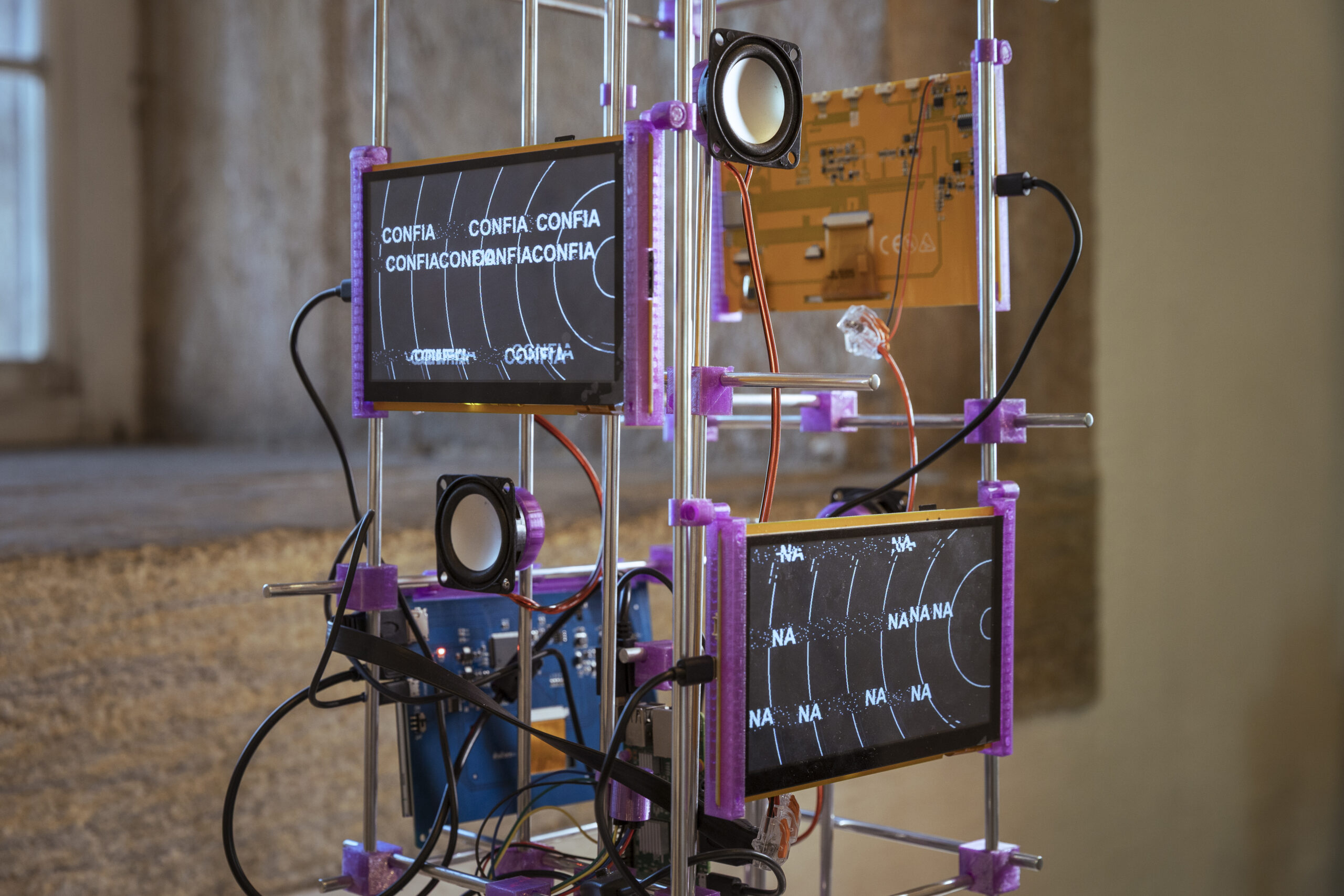
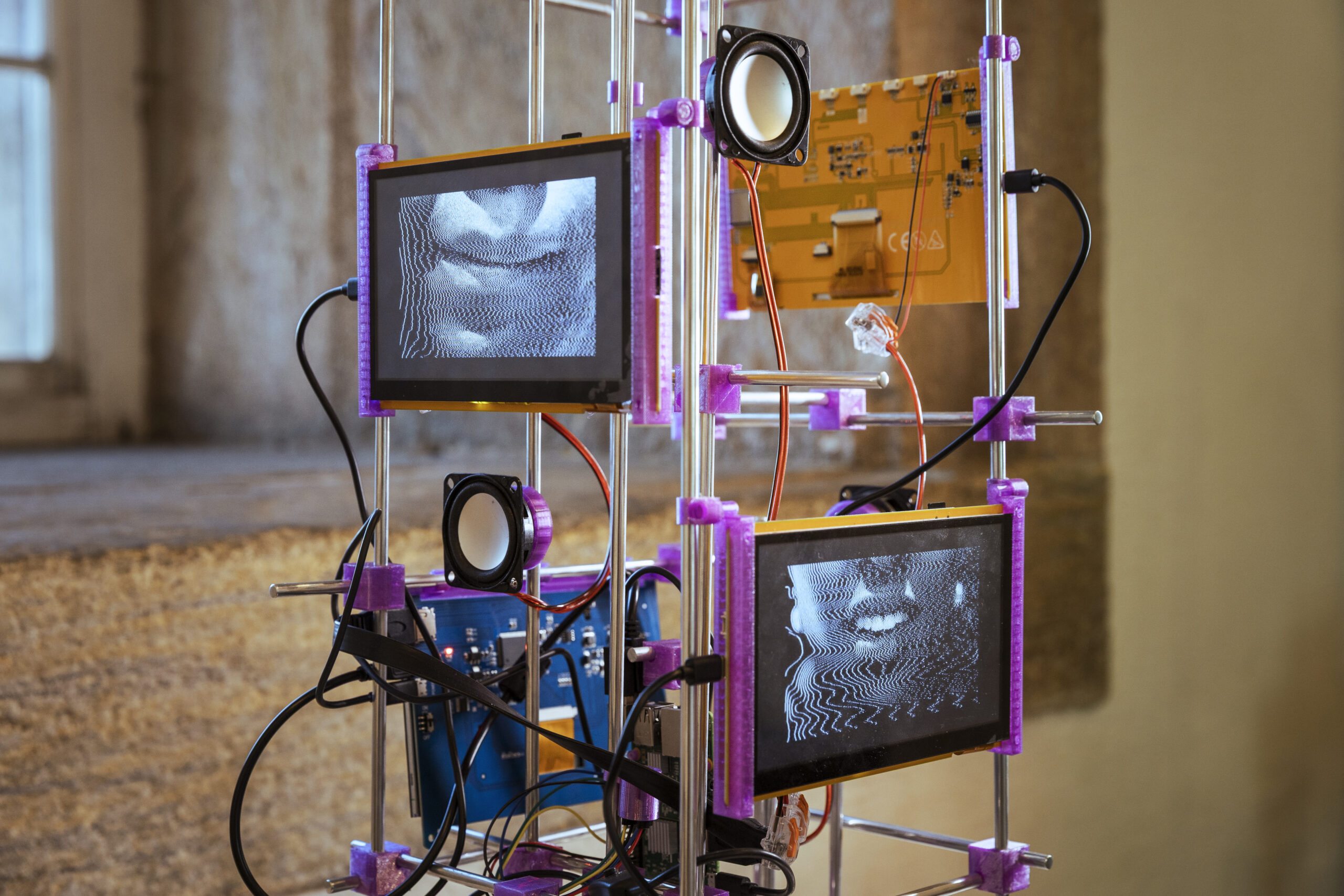
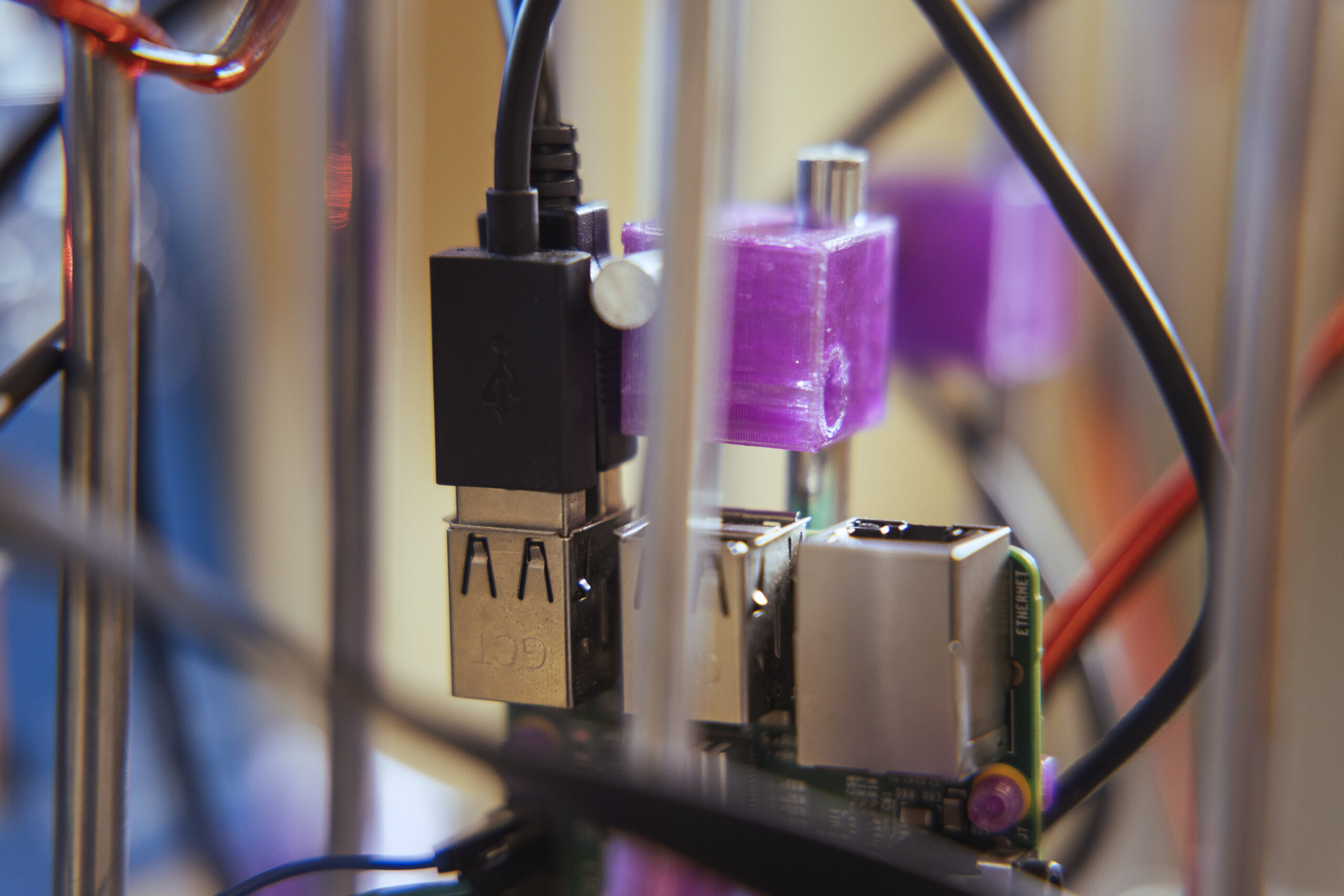
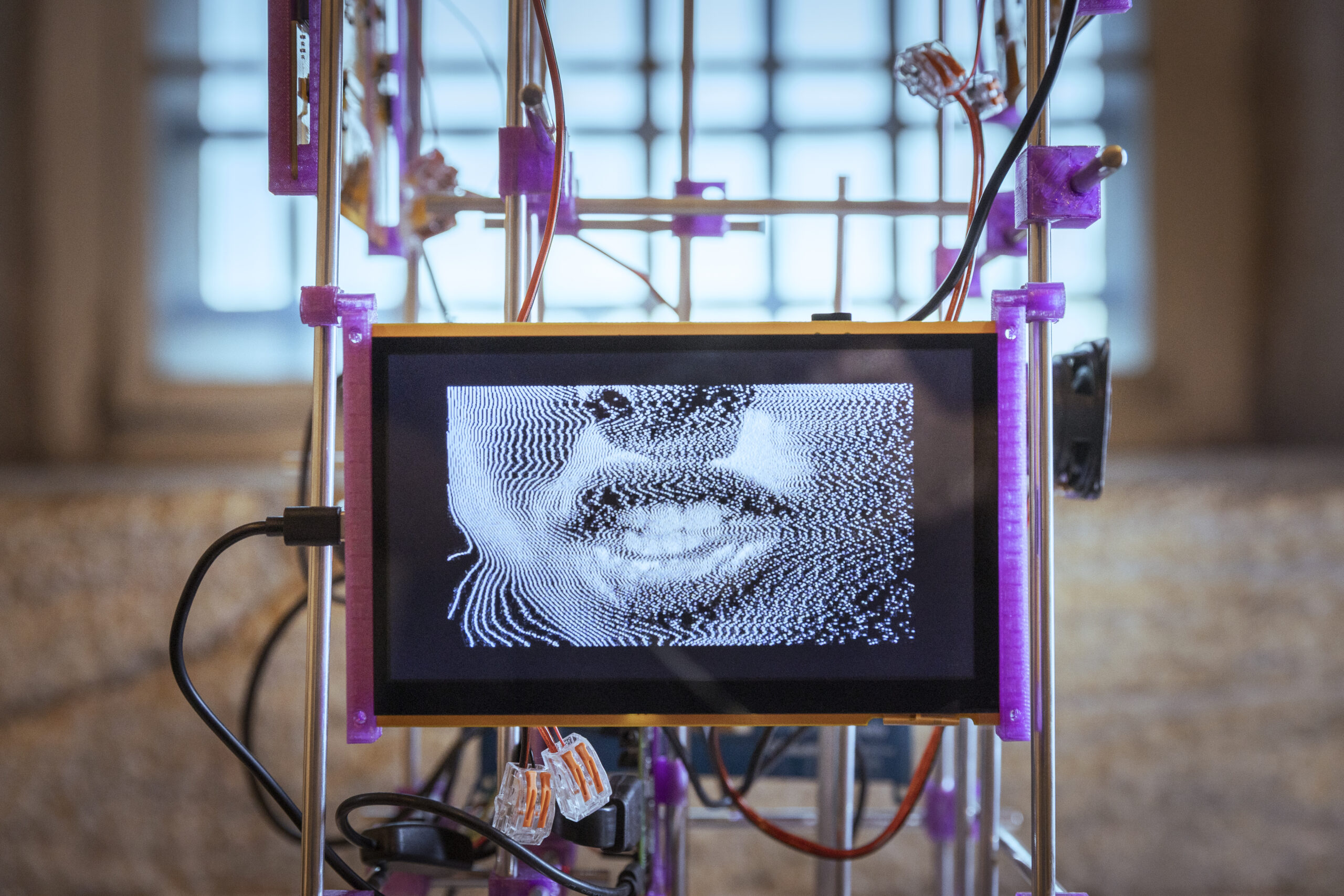
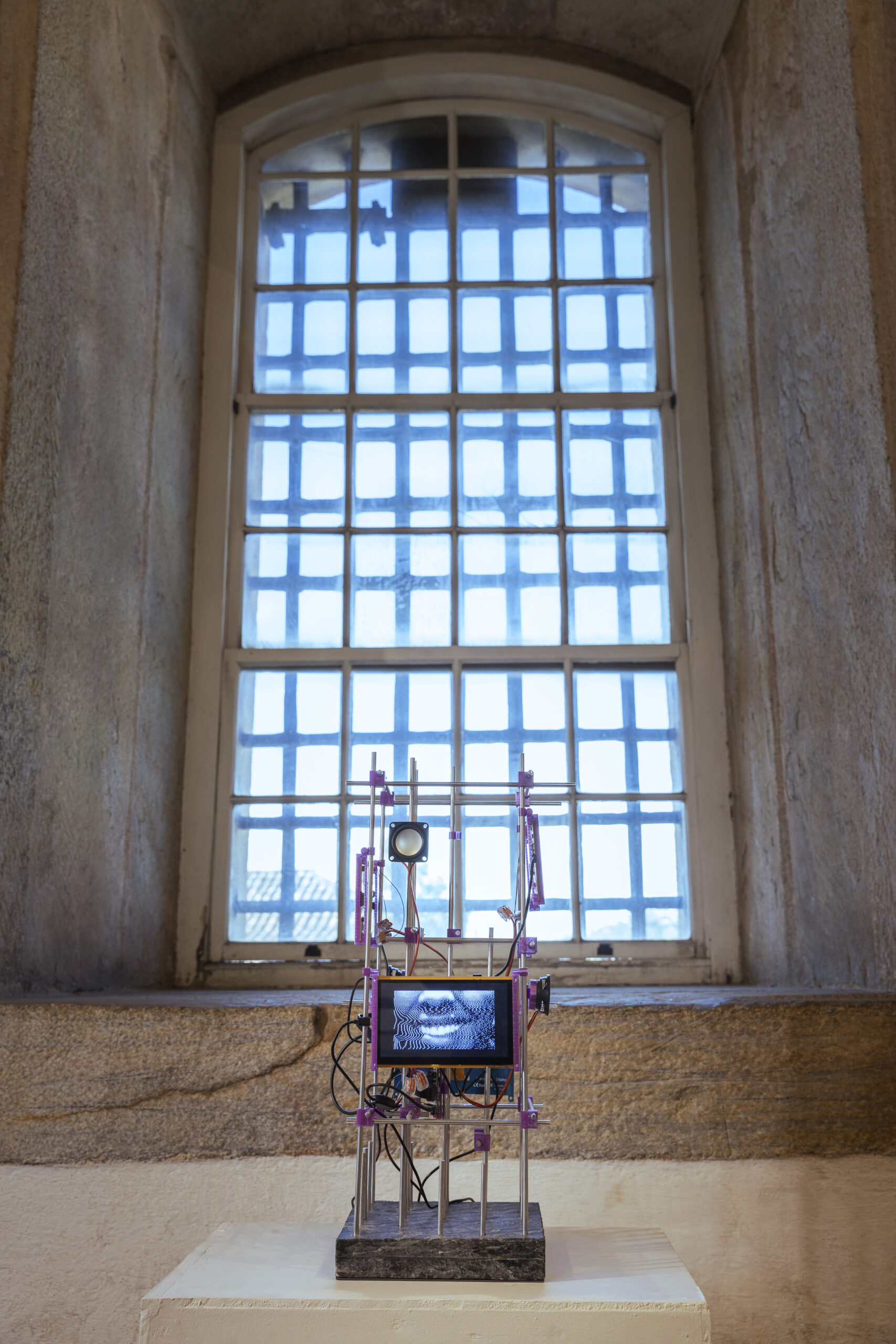
Video and audio on digital screens, aluminum and soapstone, Raspberry Pi and speakers.
60 x 25 x 25 cm
Trust the Mouth was born from an immersive cultural capital I gained access to by listening to, conversing with, and fundamentally gossiping with the residents of Ouro Preto during my artistic residency at the Inconfidência Museum in Ouro Preto, Brazil.
I quickly realized that orality was an essential tool for preserving memory for the Black and marginalized populations of the city. I collected about twelve hours of recordings—including formal accounts and casual conversations—that told stories often hidden by the territory's official archives.
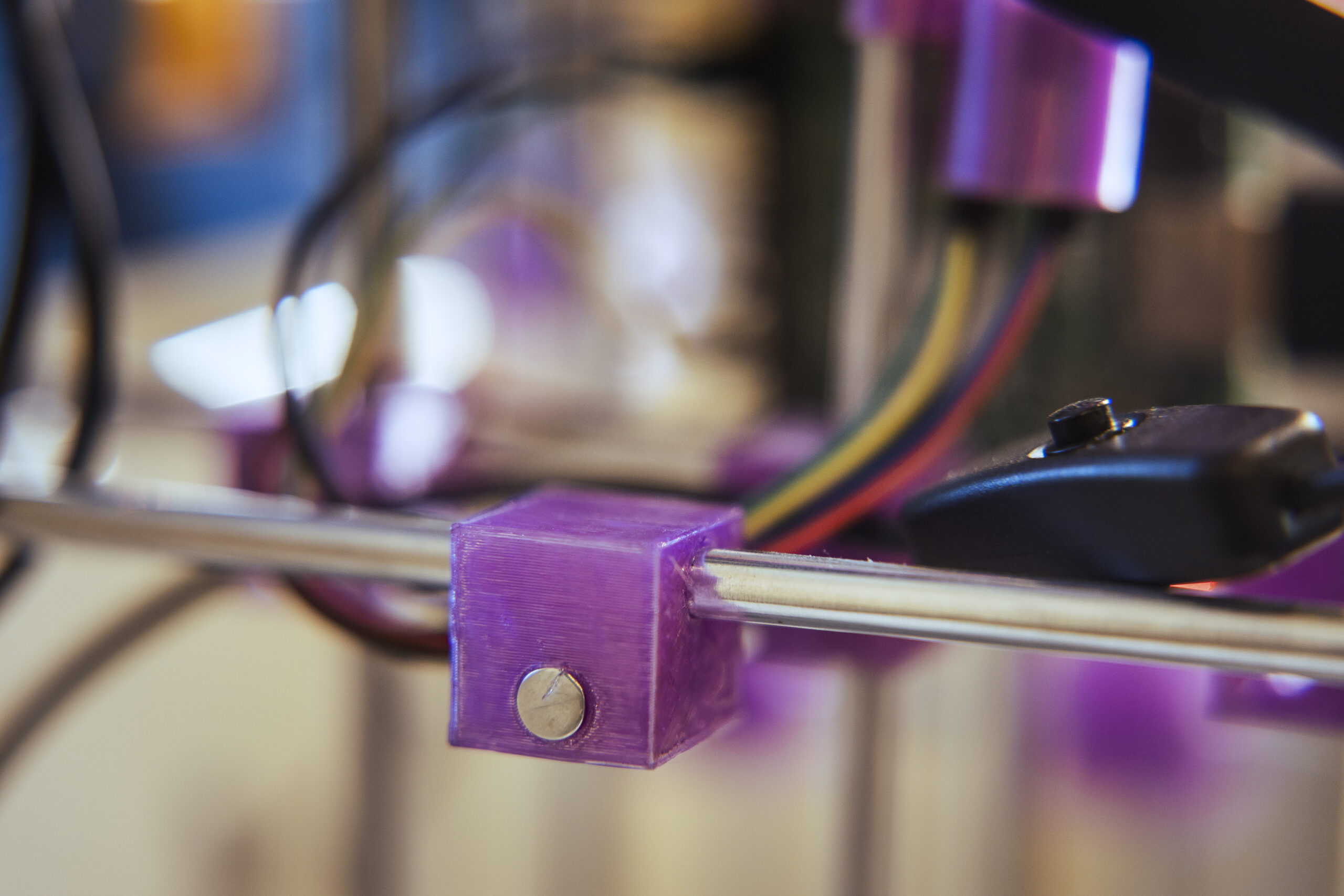
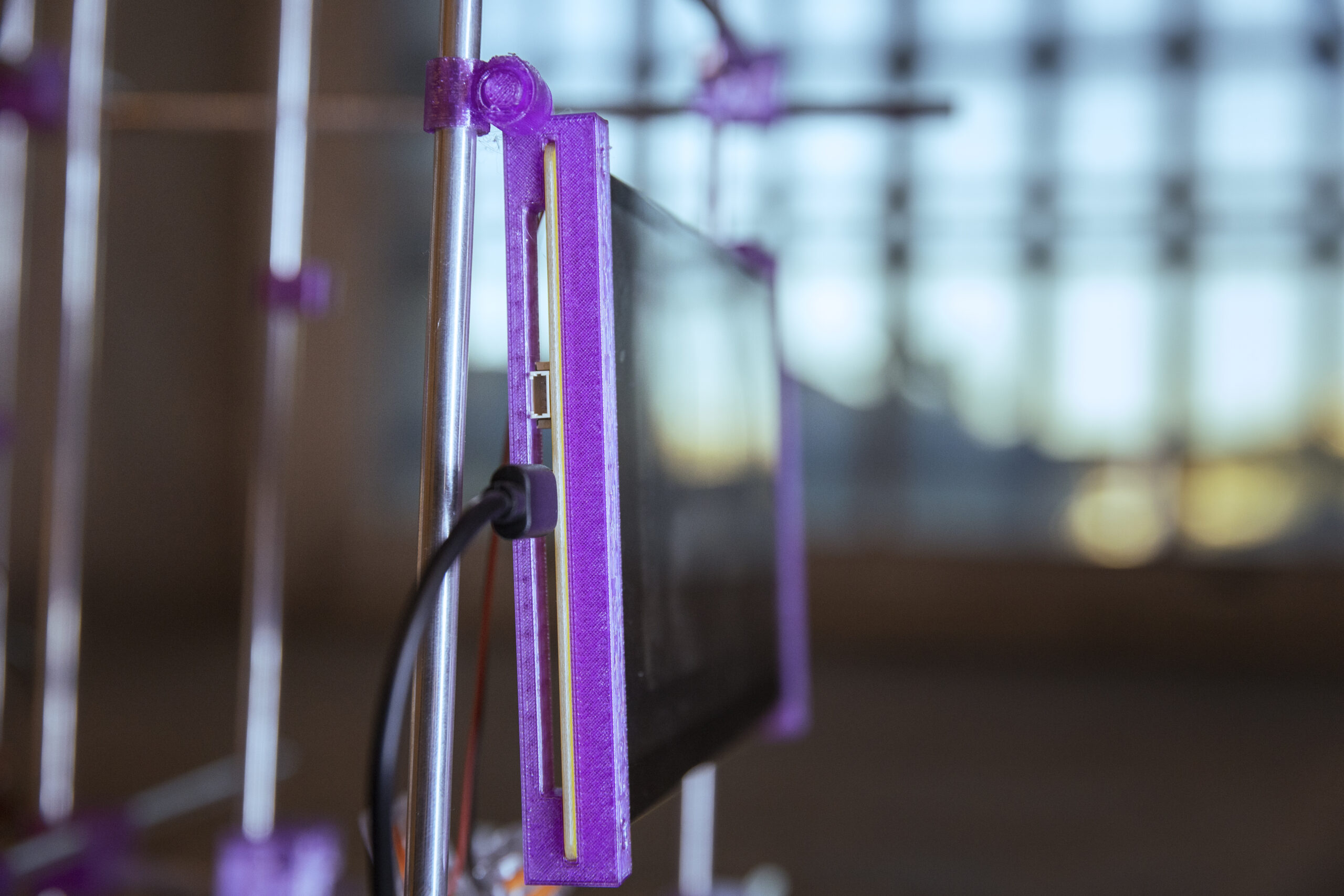
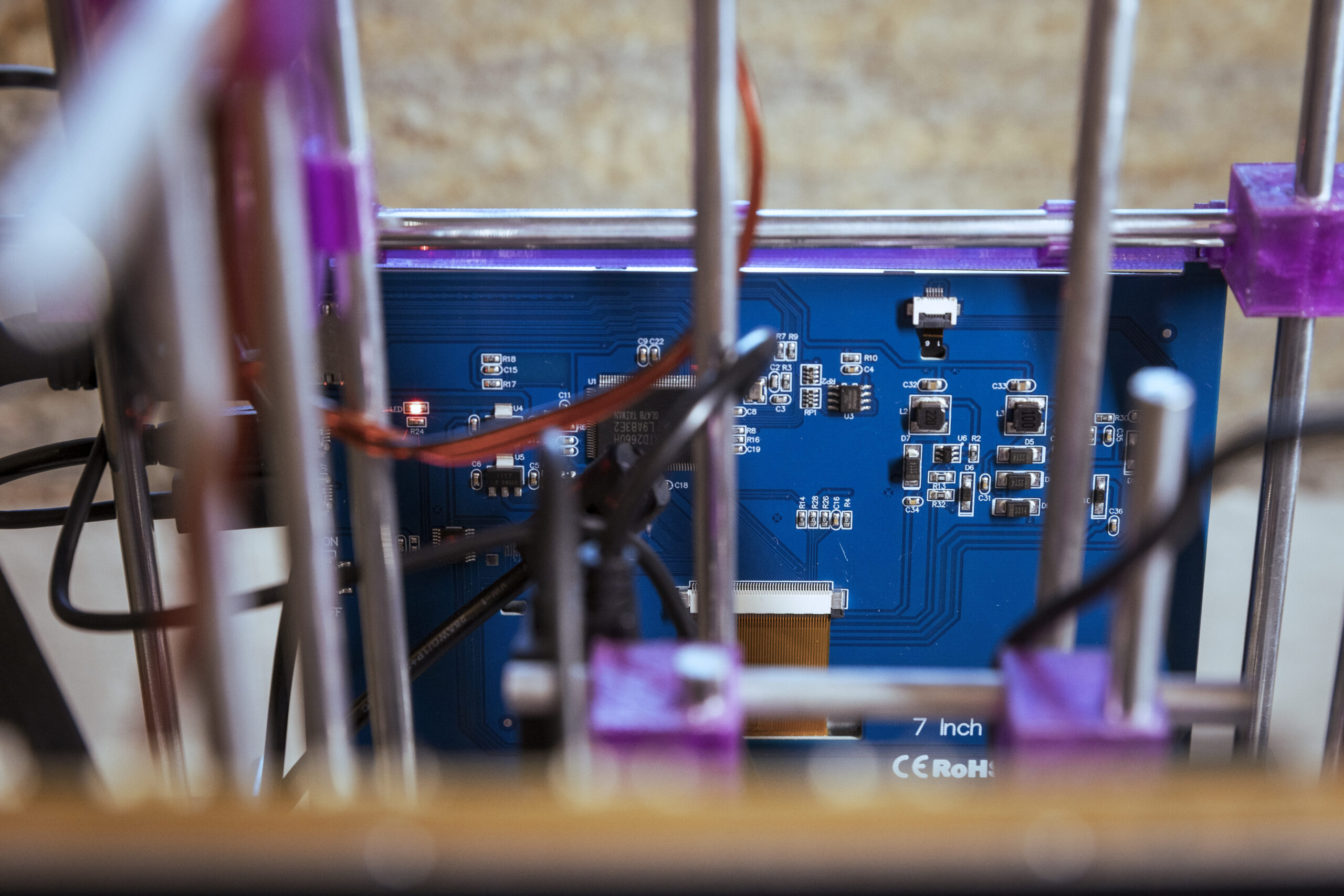
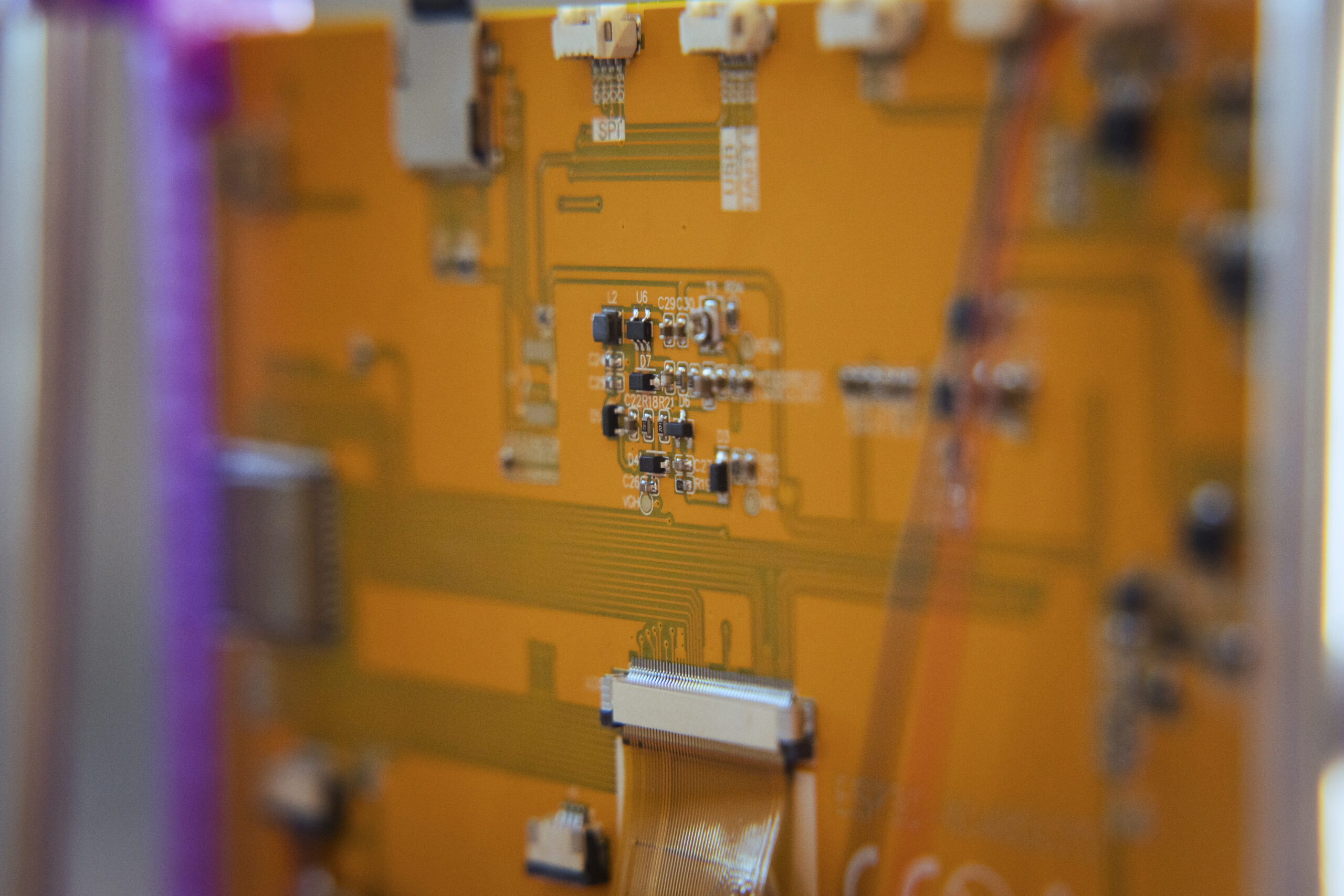
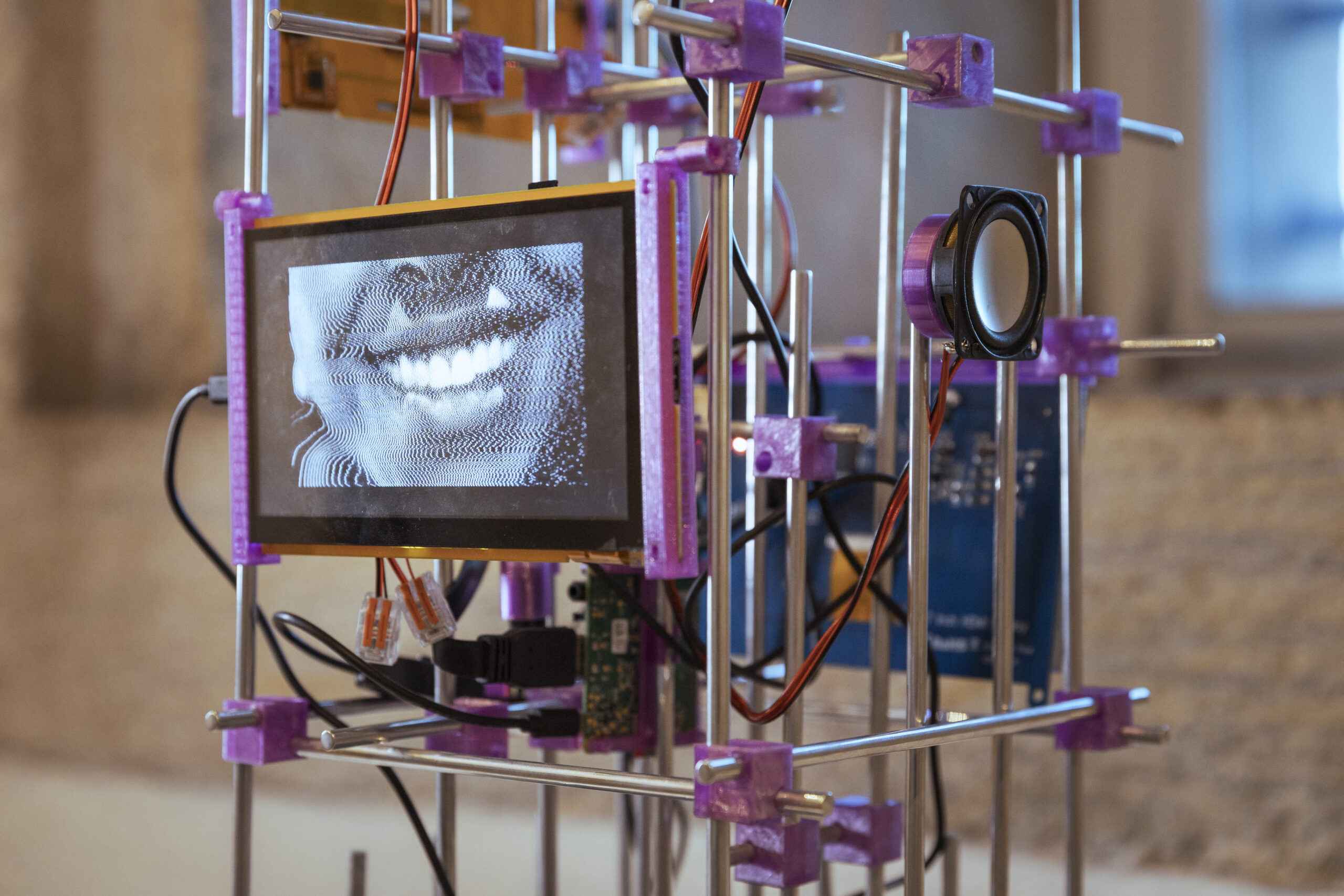
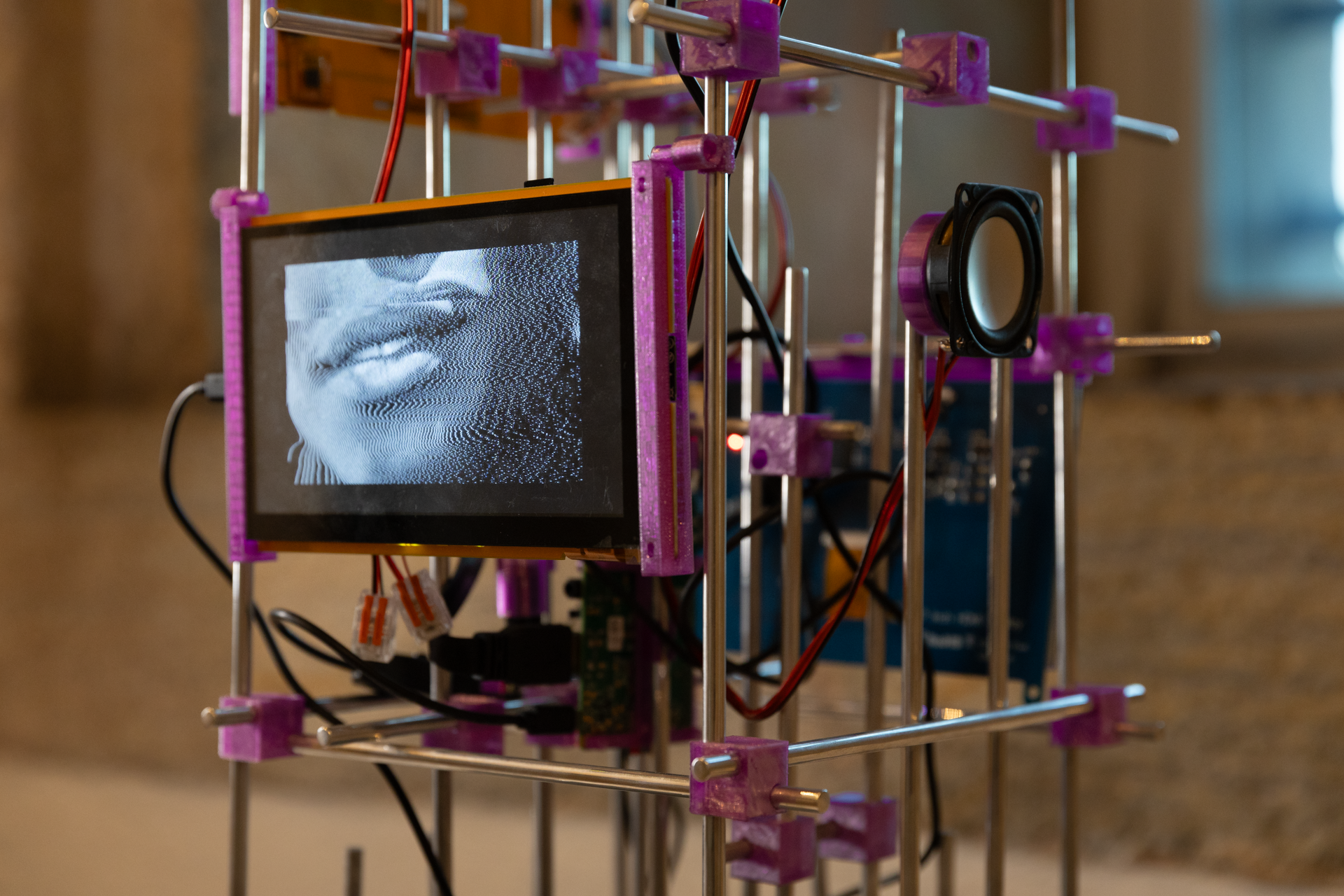
Inspired by the device from the movie Jogo de CenaI decided to push the boundaries between truth and narrative: I gave excerpts of these narratives to actors and actresses to reinterpret in a whisper before the camera. The mouth, therefore, came to carry the memory of another mouth, like a confession or a conspiratorial secret. To materialize the political dimension of silencing and control, I conceived a reactive installation: loudspeakers and screens installed in a physical structure made of aluminum, soapstone, and plastic connectors. Through an attached microphone, the work measures the ambient noise; if the audience speaks loudly, the mouths on the screen fall silent and interrupt their confessions, demanding the pact of secrecy.
The technical complexity of bringing this mechanism to life demanded a fundamental collaboration: Sandro Miccioli He was responsible for the technical design and the development of the code that makes the installation react dynamically to the sound of the space. In parallel, the structural design took shape with... Lucas Emerick e Gia Tristão, que desenvolveram os esboços e a modelagem das peças em impressão 3D utilizadas nos conectores do projeto.
Trust the Mouth It thus became a dynamic device concerning the instability and power of the spoken word—that which does not remain because it has been fixed in stone or in an archive, but because it refuses silence and continues to circulate.